The question that always seems to pop up during the wet season, and for good reason, usually from tourists hovering over the ‘book now’ button and getting cold feet after a quick glance at the forecast. Fair enough, Darwin in January can look pretty intimidating if you’re not used to dealing with tropical weather.
I’m Paul Beames, and I’ve spent more than my fair share of time in the Top End during the monsoon – not hiding from the rain, but rather just working around it, trying to make the most of the wet stuff. The short version is this: yes, it does rain a fair bit in January, but no, it doesn’t always rain all day. If you actually understand how the weather works in this part of the world, then January can still be a pretty good time to visit Darwin – or at least it can if you’re paying attention to the weather.
Contents
- 1 Getting To Grips With January Weather In The Top End
- 2 How Much Rain Falls In The Wet Season?
- 3 Does It Rain All Day In The Wet Season?
- 4 What The Wet Season Feels Like On The Ground
- 5 Moving Around Safely During The Wet Months
- 6 National Parks And Reality Checks
- 7 Activities That Still Work In The Wet Season
- 8 UV, Heat – And Staying Sun-Smart
- 9 Wildlife, Insects And Wet Season Awareness
- 10 January vs The Dry Season
- 11 The Real Lowdown
- 12 FAQ
Getting To Grips With January Weather In The Top End
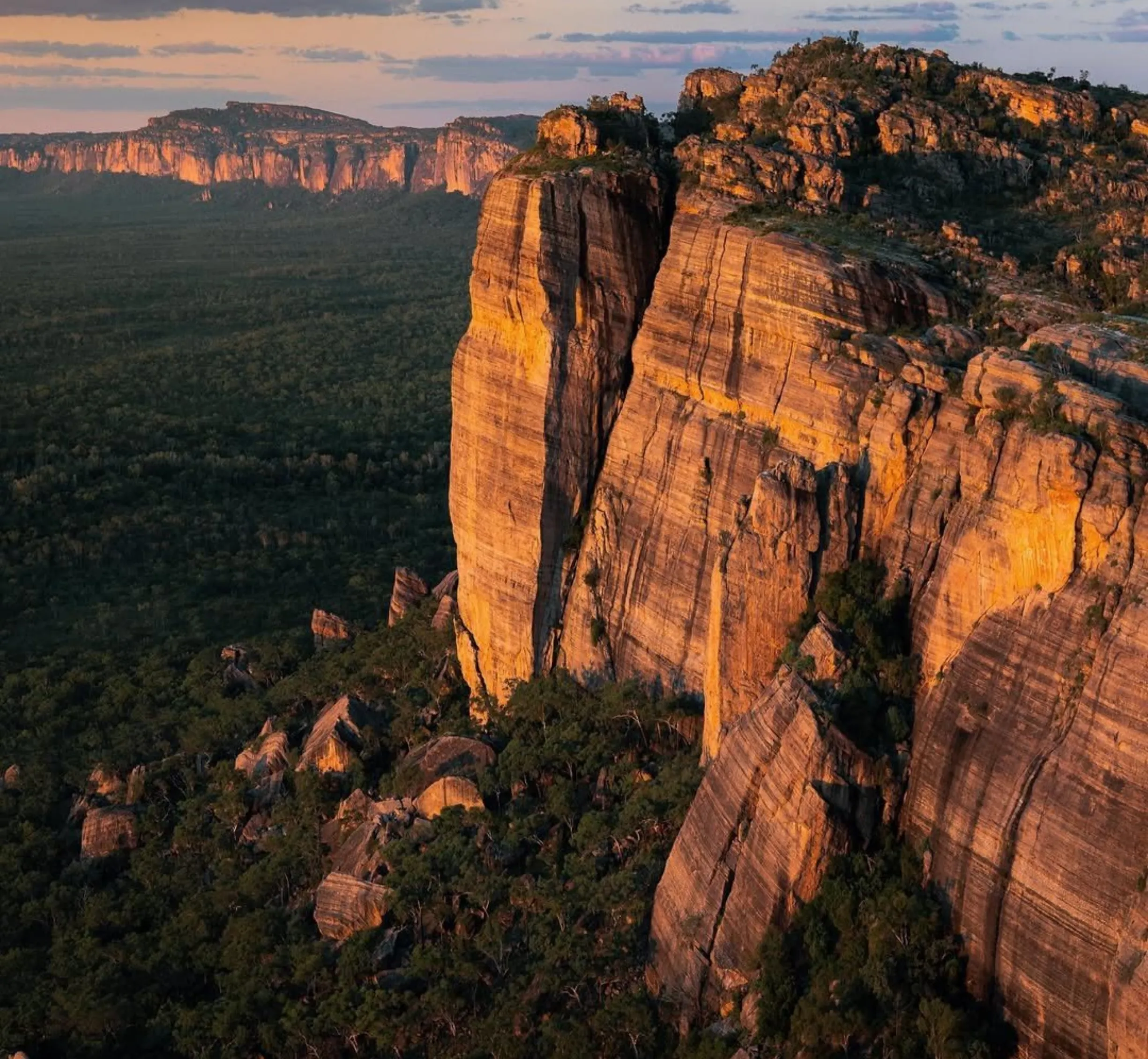
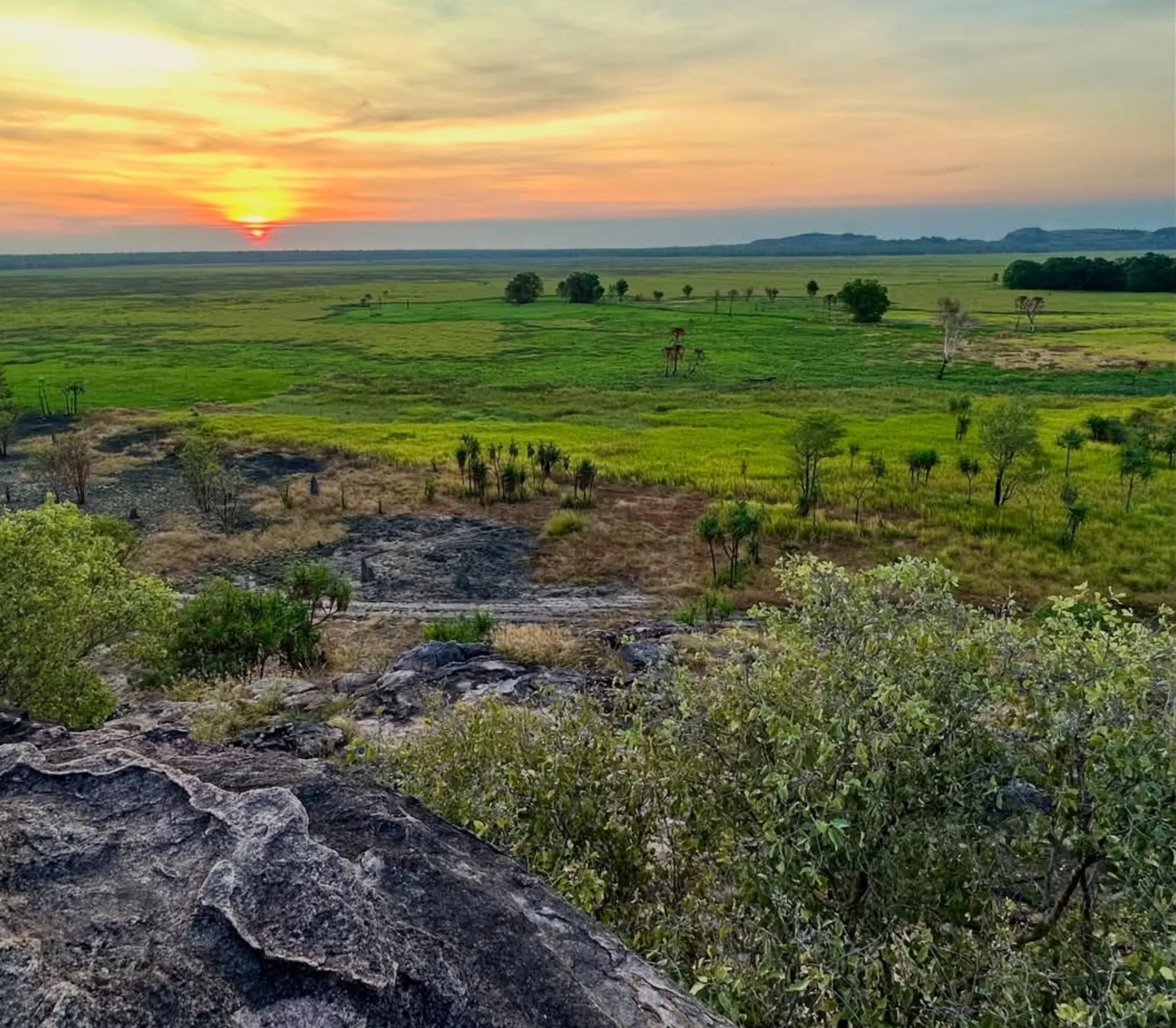
January is right in the thick of the wet season up here, driven by the usual suspects – monsoonal rains, tropical lows and the odd storm that blows in from the Arafura Sea. This is the time of year when the landscape really gets a good drink – the floodplains fill, the rivers start to spread out, and the bush takes on this lovely shade of green that you just don’t see when it’s all dry.
What really matters here is timing – because the rain in January usually comes in short, sharp bursts, late in the day rather than drizzling on and off all day long. And the mornings? Well, they’re usually hot, sticky and workable, especially if you’re on the ball and not messing around. Make the most of the cooler hours, and you’ll be fine.
How Much Rain Falls In The Wet Season?
If you take a look at the real weather data – not just the phone apps – then January comes out as Darwin’s wettest month of all. According to the Bureau of Meteorology, all this is based on years of long-term weather averages taken from actual data collected right across the Darwin region – none of that wishy-washy stuff.
Darwin January Climate Averages (Long-Term Data)
| Weather Metric | January Average | What You’ll Notice |
|---|---|---|
| Total rainfall | ~420 mm | Heavy but concentrated |
| Rainy days | ~21 days | Often short storms |
| Average temperature | ~30–31°C | Feels hotter with humidity |
| Humidity levels | 70–85% | Constant, sticky |
| Wind speed | Light to moderate | Gusty during storms |
| UV Index / UV levels | Extreme | Sun protection critical |
| Sea temperature | ~30°C | Warm year-round |
These climate averages reflect the long-term trends – not just a few wet years or quiet seasons, which are more the exception than the rule.
Does It Rain All Day In The Wet Season?
No way – and this is probably the biggest misconception about the weather in Darwin in January.
A “rainy day” in weather reports often boils down to just one thing: measurable rain somewhere at some point during the day, not a constant deluge from dawn till dusk. In reality, though, January rain usually manifests as intense downpours in the late afternoon or early evening – sometimes these even come with thunder & lightning to really drive the drama home.
You might just get drenched on the Esplanade at 4 pm, then be sitting outside an hour later having dinner and watching steam rising off the pavement – that’s just classic tropical weather.
What The Wet Season Feels Like On The Ground
January in Darwin is a million miles from the Red Centre. It’s not Alice Springs heat or Kings Canyon’s dryness – it’s thick, heavy air that wraps itself around you the moment you step outside.
- Sweating early – even before you’ve had your first cup of coffee
- Thick clouds are building up all day
- Sudden storms with some of the most spectacular lightning displays you’ve ever seen
- Flood plains around the Adelaide River, and Arnhem Hwy come alive – and for any photographers or nature lovers out there, this is the time of year the Top End really comes alive.
Moving Around Safely During The Wet Months
Rain will change how you travel – but it won’t stop you from getting out & about.
Sealed roads around Darwin are pretty well equipped to handle heavy rain, including the Stuart Highway. Yes, temporary flooding can occur in low-lying areas, but this usually clears up pretty quickly. Further afield, though, things can get a bit more complicated.
Access to Kakadu National Park, Arnhem Land, and remote areas of Litchfield National Park can change rapidly due to recent rainfall. And that’s where guided Darwin tours come in handy – because the operators like Autopia Tours have the gear and expertise to adjust their routes, timing and activities on the fly – rather than having to fly by the seat of their pants.
National Parks And Reality Checks
January is definitely not the time for long bush hikes or 4WD adventures in the remote wilderness. A lot of the National Parks shut down during the monsoon season – for safety, for protecting the land, and for all the good conservation reasons.
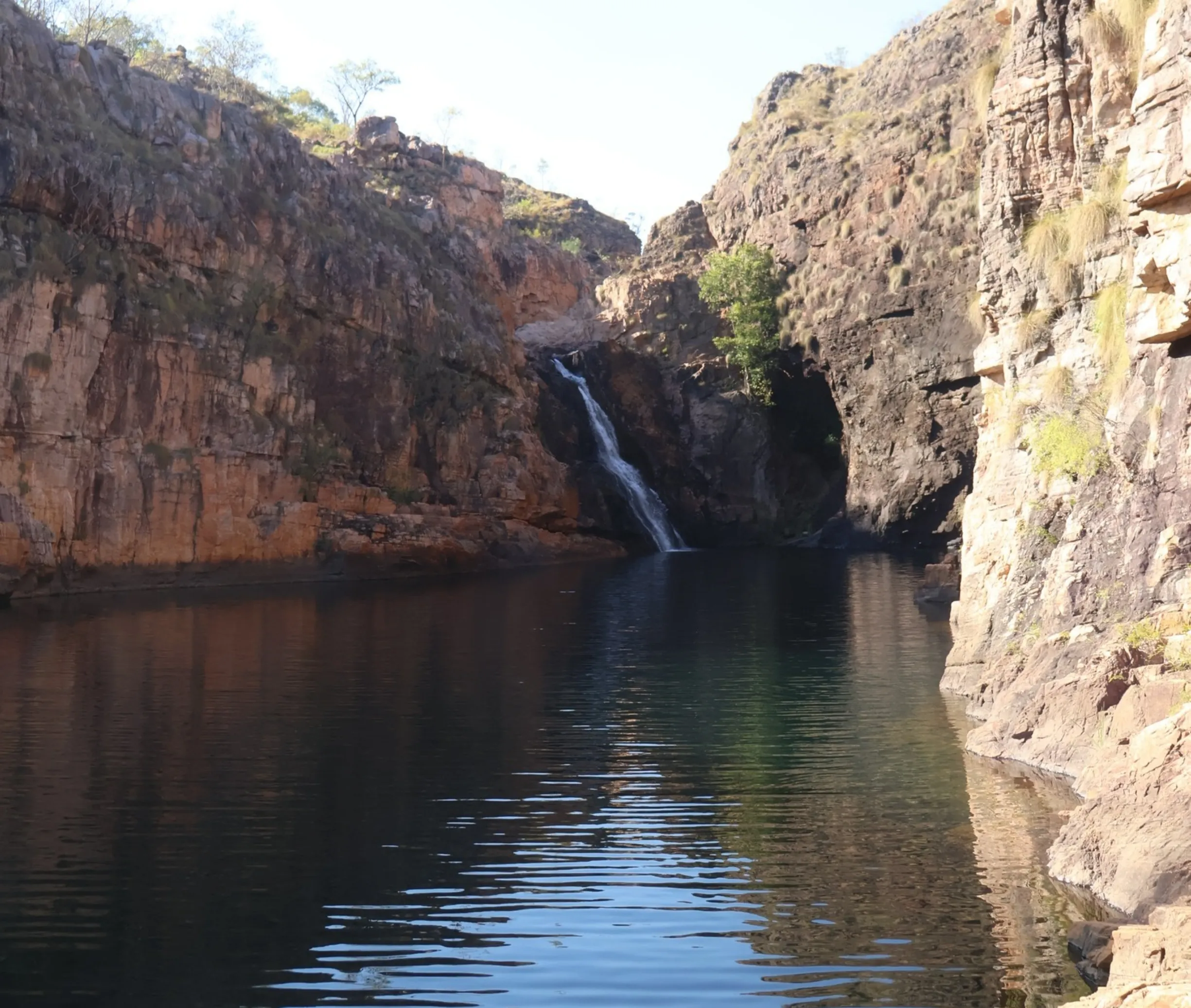
But that doesn’t mean everything shuts its doors. No, lots of things are still open for visitors – you just need to be a bit selective in what you do. The waterfalls are roaring, the wetlands are alive with birdsong – and short, easy walks near the main roads can still be a real treat. Even scenic flights over Kakadu at flood time can be a real highlight – especially if you time it just right between the storms.
Activities That Still Work In The Wet Season
And this is where January really surprises people – it’s not all bad!
Indoor attractions & things that don’t rely on the weather will be the stars of the show in January. Places like Crocosaurus Cove, with the famous Cage of Death, just keep on running no matter what the weather’s doing. And of course, all the croc tour operators are still fully operational – and places like Crocodylus Park are always a safe bet. Even city-based Darwin tours, museums, galleries and harbour cruises are still worth doing in January – operators just need to shift their start times to avoid the worst of the weather.
UV, Heat – And Staying Sun-Smart
Be under no illusion, cloud cover doesn’t mean UV levels are low. January is actually one of the worst months – and that’s even on the greyest of days.
You can’t put a price on sun-smart clothing, a decent hat and keeping hydrated. Waterproofs might get you through the odd storm, but breathable fabrics are what really come into their own when the humidity sticks around all day.
Wildlife, Insects And Wet Season Awareness
January is the one time of year when the place really comes alive.
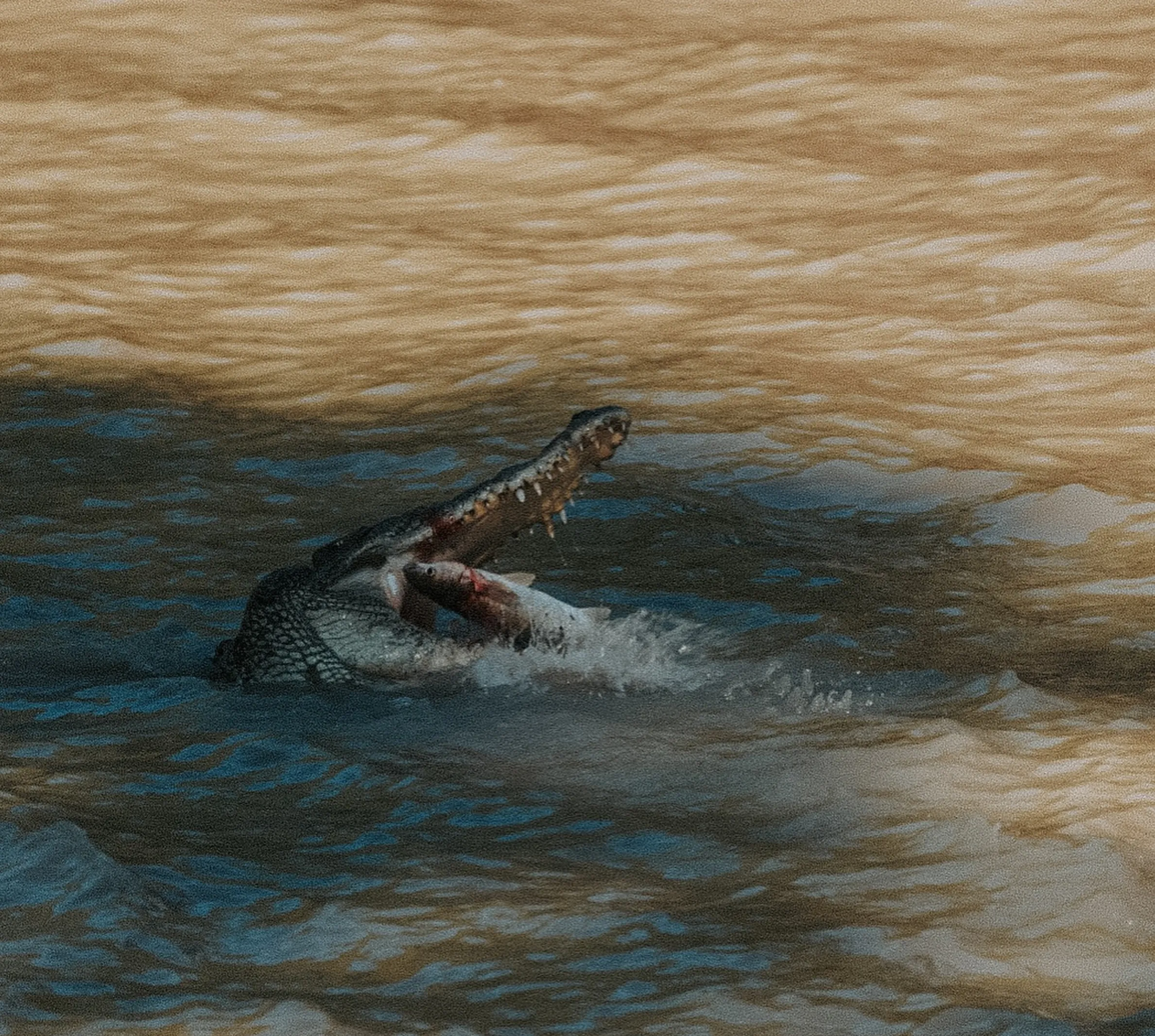
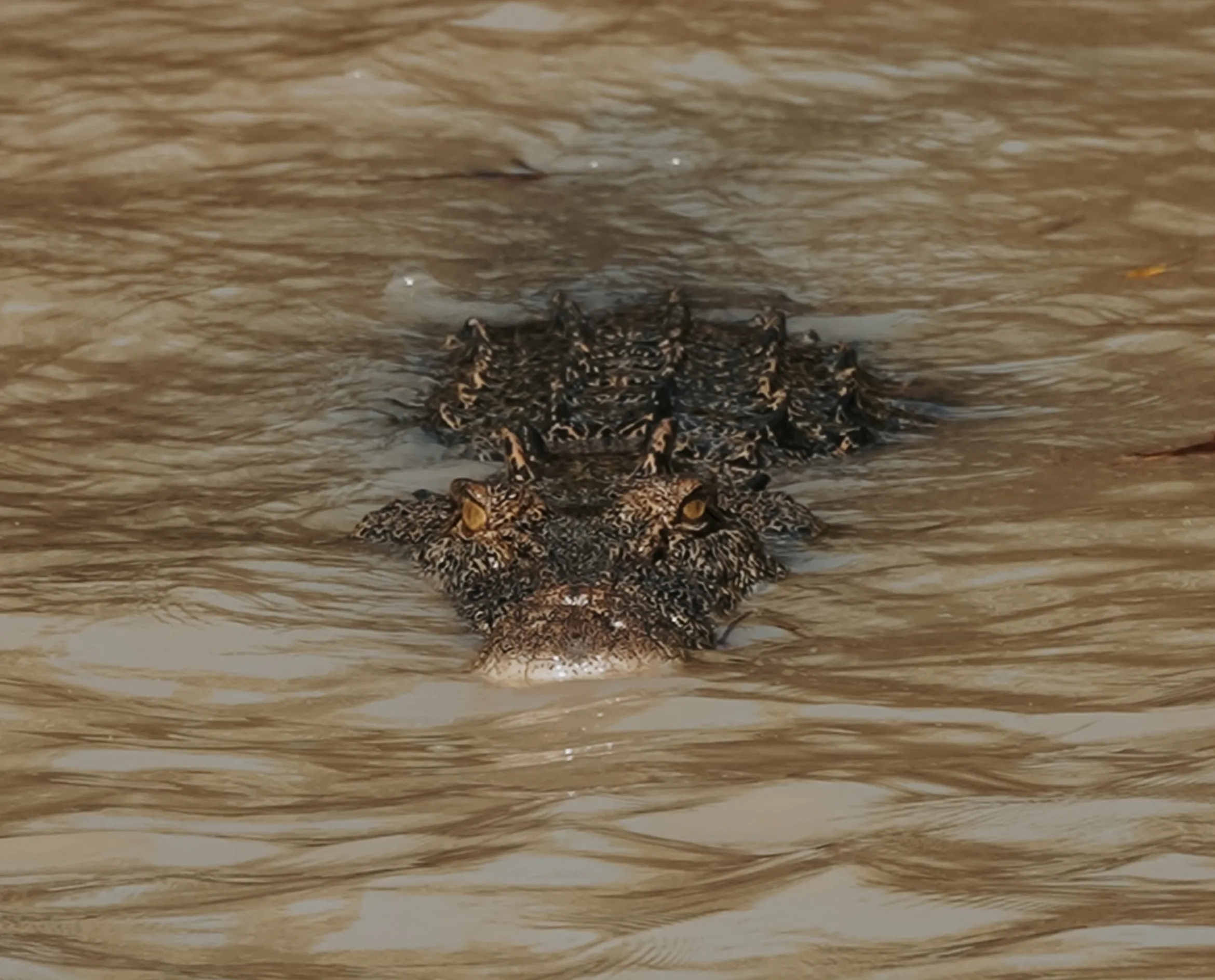
Mosquitoes are out in force, so you pretty much need to break out the heavy-duty insect repellent. Swimming in fresh water is usually off the cards, thanks to all the salties making their way through the connected waterways – locals know about the salties for a reason, so always follow the advice and the signs.
The good news is that this is a great time for spotting birds, and with the wetlands buzzing, it really does feel like a different season from the dry. You don’t get that real sense of rhythm in the dry, that’s for sure.
January vs The Dry Season
The dry season offers access and some predictability, but let’s be honest, that comes at a cost. January, on the other hand, offers atmosphere and significant intensity.
The dry season is great for the long-haul hikers and those who want to drive for days on end. January is a better bet for those who want fewer people around, striking skies, the sound of flowing water, and a break from the normal bustle of Darwin. Neither is better; they’re just geared towards different types of people.
The Real Lowdown
January in Darwin isn’t really about trying to avoid the rain – it’s more about getting a handle on how the wet season works. Yeah, monsoonal rains, tropical storms, and all that come with it are part of the package, but so are the fact that you’ll generally encounter fewer crowds, get to see some pretty amazing landscapes, and experience travel at a different pace.
If you’re smart with your planning, keep an eye on what’s happening with closures, and choose tour operators who know what they’re doing and have a finger on the pulse of the weather, then January can actually be a pretty cool way to experience the Top End at full tilt – storms and all.
If you’re not sure how to make it work, you should probably talk to the people who run tours here year-round. They’re the ones who’ve been reading the weather for us.
FAQ
Is January part of cyclone season?
Yeah, it is. Cyclone season basically runs from November to April. And while direct hits on Darwin are pretty rare, we do get our fair share of tropical lows and seasonal storms.
Are the Darwin tours still scheduled for January?
Yes, they are. Numerous Darwin tours run year-round, especially city-based, flexible itineraries led by experienced operators such as Autopia Tours. You just have to do a bit of homework to find them.
Does rain affect the sunrise and sunset times?
Actually, no, they remain largely the same year-round. You may find that the clouds affect how colourful they appear, but not the actual times.
Is January hotter than Alice Springs?
Average temperatures in Darwin are slightly lower than in Alice Springs, but the humidity makes it feel hotter.
Will rain ruin my Northern Territory trip?
Only if you’re one of those people who expect dry-season conditions all the time, and to be honest, January can actually be pretty rewarding if you are flexible and do your research.