You’ve booked your Lip Blush Tattoo, chosen the perfect shade, and you’re ready for your dream pout. But then someone casually mentions, “Hope you don’t get a cold sore after!” Yep, it’s a thing — and it’s worth talking about. If you’ve ever had a cold sore (or think you might carry the herpes simplex virus), post-tattoo flare-ups are more common than you think. The good news? With the right prep, care and expert advice, they’re also preventable.
As someone who’s seen hundreds of lips in my Melbourne studio, I can tell you exactly what triggers them, how to avoid them and what to do if one pops up anyway. This guide to how to prevent cold sores after a lip tattoo isn’t about scaring you off — it’s about giving you control over the healing process so your results stay crisp, even and beautifully healed. Getting a permanent lip tattoo can be a game changer, but only if you support the healing from day one.
Contents
- 1 Why Cold Sores Love Lip Tattooing
- 2 Proactive Prep: What to Do Before Your Appointment
- 3 What to Do If You Get a Cold Sore Anyway
- 4 Healing Timeline
- 5 Safe Lip Blush Starts With Smart Choices
- 6 What the 2025 Data Says
- 7 Extra Tips for Long-Term Lip Health
- 8 Final Thought: You’re in Control, Not the Virus
- 9 FAQ
Why Cold Sores Love Lip Tattooing
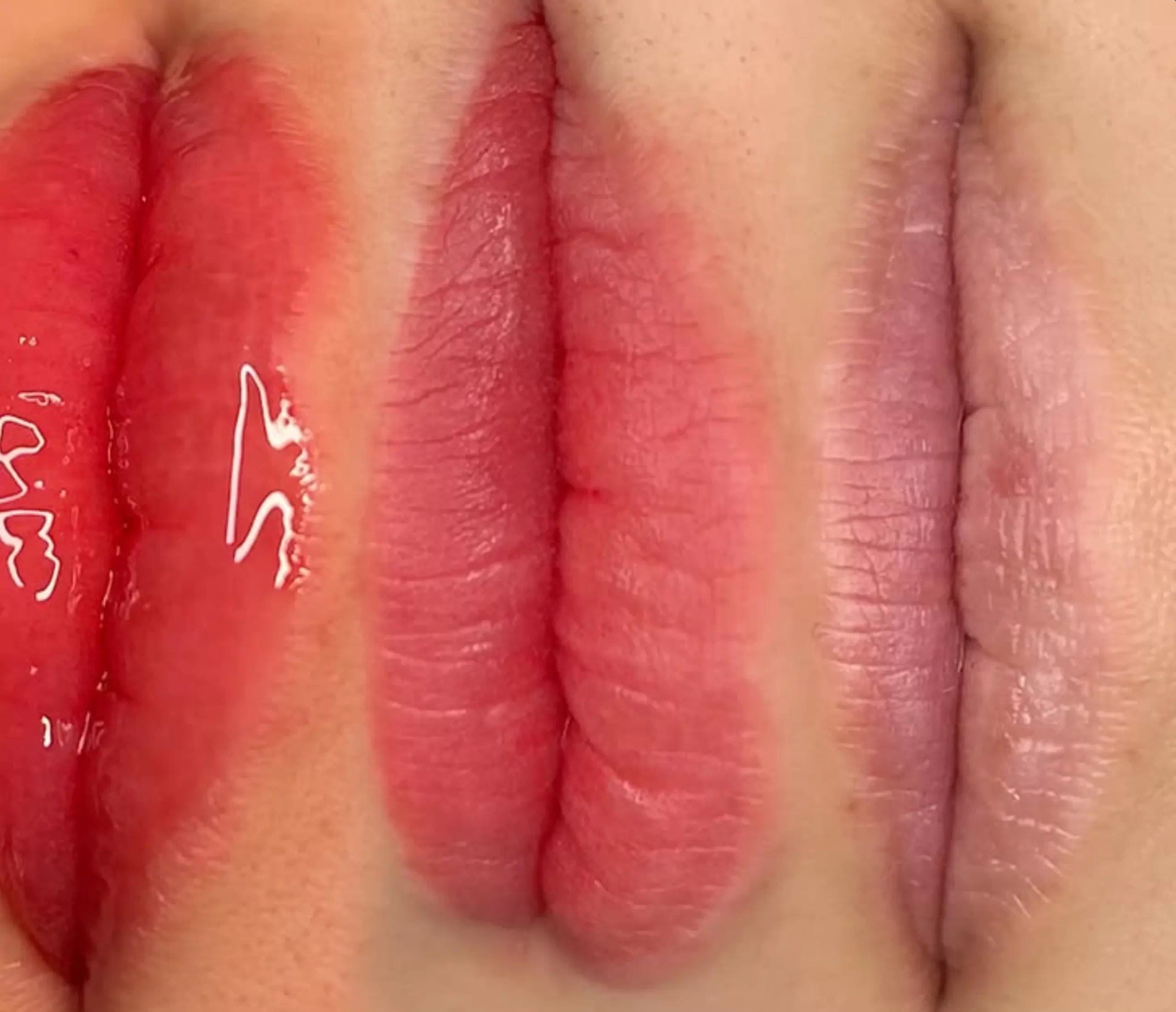
Any time the skin of the lip is broken, your body responds with inflammation and healing. But if you carry the Herpes Simplex Virus HSV type 1, that trauma can trigger a cold sore outbreak. The result? Delayed healing, pigment loss and a lot of discomfort.
So why does this happen? Here’s what we know:
- The tattooing process disrupts the lip tissue and skin barrier, which can reawaken dormant herpes simplex virus.
- The immune system, while managing healing, may not suppress the herpes virus as effectively.
- Stress, sun exposure and hormonal shifts can compound the risk.
Key risk factors include:
- A personal history of fever blisters or cold sore outbreaks (even if it’s been years)
- Immunosuppression, chronic stress or recent laser treatments
- Lip filler or Cosmetic Tattooing was performed recently
If you’re unsure whether you’ve had HSV-1, it’s worth chatting with your GP before your tattoo appointment. Many people carry it unknowingly. Even if you’ve had a lip tattoo in the past without issues, each new session — especially a lip blushing tattoo — can stir things up.
Proactive Prep: What to Do Before Your Appointment
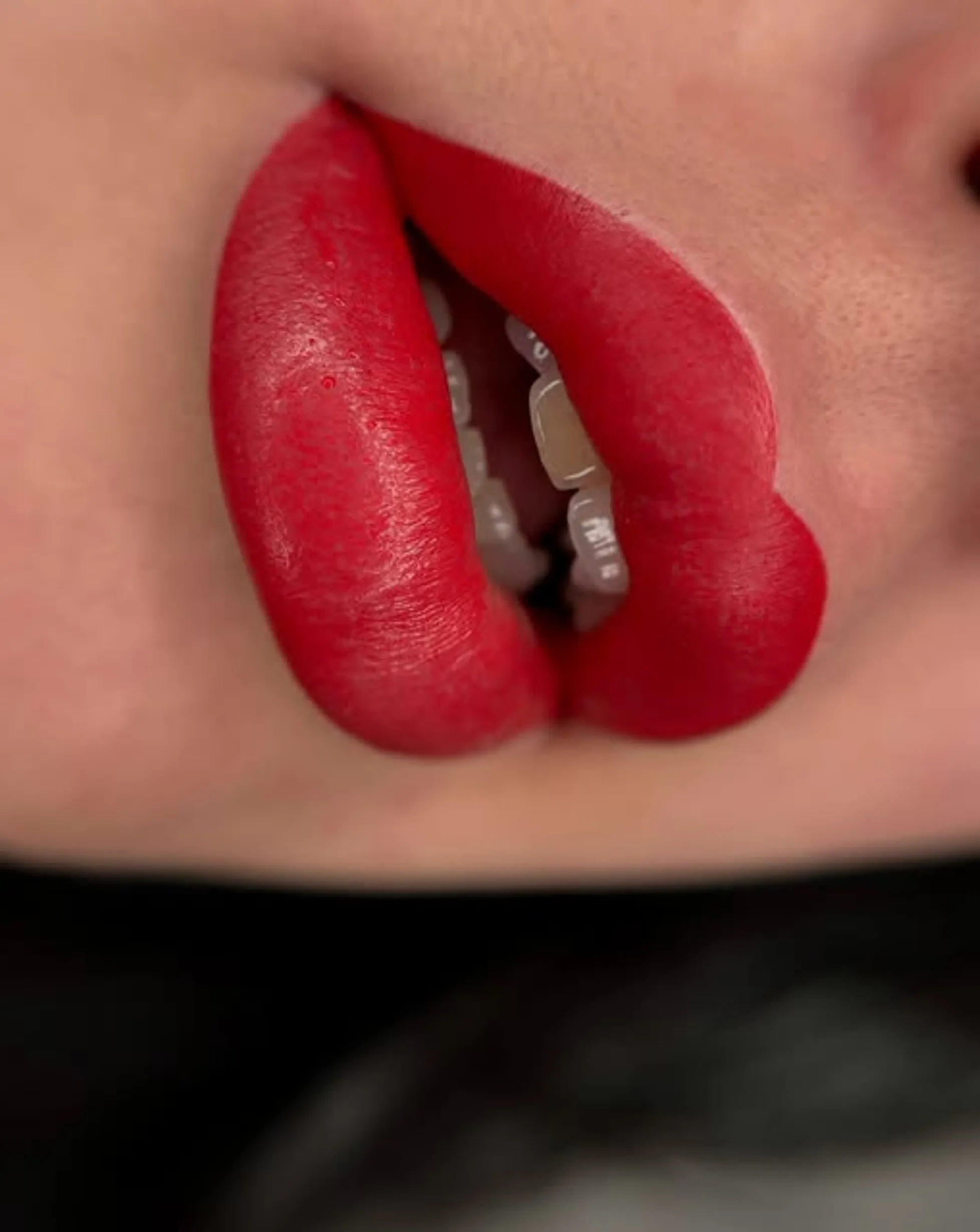
Taking a “wait and see” approach doesn’t work with Lip tattooing and cold sores. Prevention starts days before your appointment. Here’s how to stay one step ahead:
This is the gold standard. Most artists and medical professionals recommend a prescription antiviral like valaciclovir (Valtrex) or acyclovir starting 2 days before your tattoo.
Typical protocol:
- Valaciclovir: 500mg twice daily, starting 2 days before and continuing for 5 days
- Acyclovir: 400mg three times daily on the same schedule
These antiviral tablets help suppress the Herpes Simplex Virus HSV type 1 and reduce the risk of a cold sore outbreak.
2. Add L-Lysine to Your Routine
This amino acid can help suppress the herpes virus. Many clients take L-lysine supplements (1,000mg daily) starting a week before the appointment and continuing during the healing process. It’s not a substitute for anti-viral medication, but a great support.
3. Avoid Lip Irritants Leading Up to Treatment
Skip spicy or acidic foods, hot drinks, aggressive scrubs, or drying lipsticks in the week before. You want your lip tissue calm, hydrated and unbothered.
4. Stock Up on Aftercare Supplies
Grab your aftercare balm (something gentle like Bepanthen Tattoo), gauze pads, cotton buds, and healing balm or lip balm so you’re not scrambling post-appointment.
Planning for the lip tattoo healing process means thinking ahead — so you’re fully stocked and calm by the time your appointment rolls around.
What to Do If You Get a Cold Sore Anyway
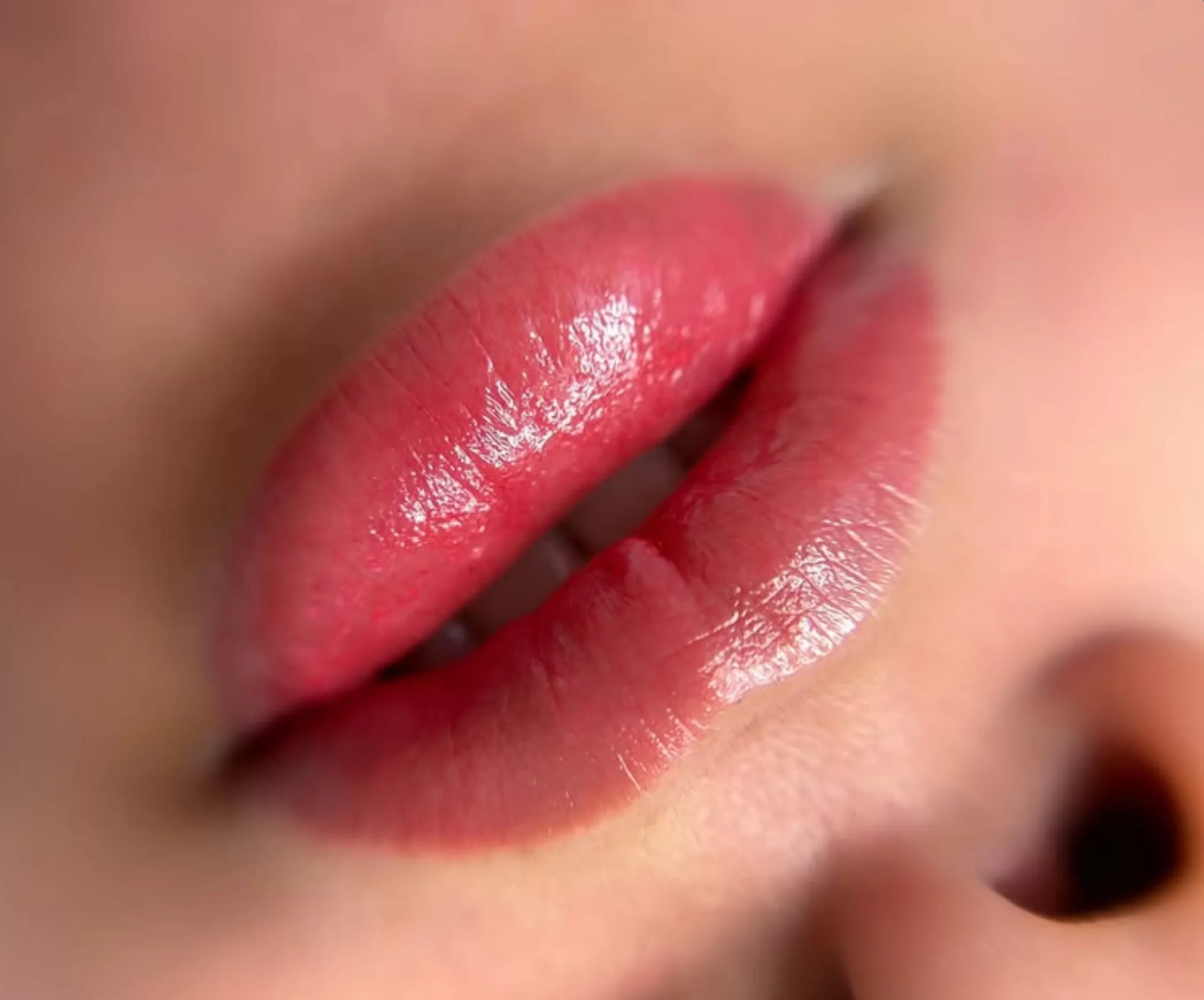
Sometimes, despite doing everything right, a cold sore still sneaks through. If that happens, here’s what to do:
- Start or continue your antiviral meds.
- Keep the area clean with saline or a damp gauze pad (dab, don’t rub).
- Apply healing balm or aftercare balm regularly but sparingly.
- No lip gloss, lipstick or kissing until fully healed.
- No picking — yes, even if it looks flaky!
Cold sores during healing can cause patchy pigment or pigment loss, especially on the lip line. A touch-up can fix it, but prevention is always cheaper than correction. When it comes to healing your lip tattoo properly, consistency beats perfection.
Healing Timeline
Below is a comparison of the Lip Blush Tattoo healing process with and without a cold sore flare-up:
| Healing Stage | No Cold Sore Present | Cold Sore During Healing |
|---|---|---|
| Days 1–3 | Swelling, rich colour, mild tenderness | Swelling, increased discomfort, redness |
| Days 4–7 | Flaking, peeling, and colour fades slightly | Possible blistering, scabbing |
| Days 8–14 | Colour settles into a softer tone | Patchy healing, risk of pigment loss |
| After 14 Days | Normalised appearance, colour refines | May need a corrective session |
A lip blush tattoo may look a bit intense at first, but that’s all part of the lip tattoo healing process.
Safe Lip Blush Starts With Smart Choices
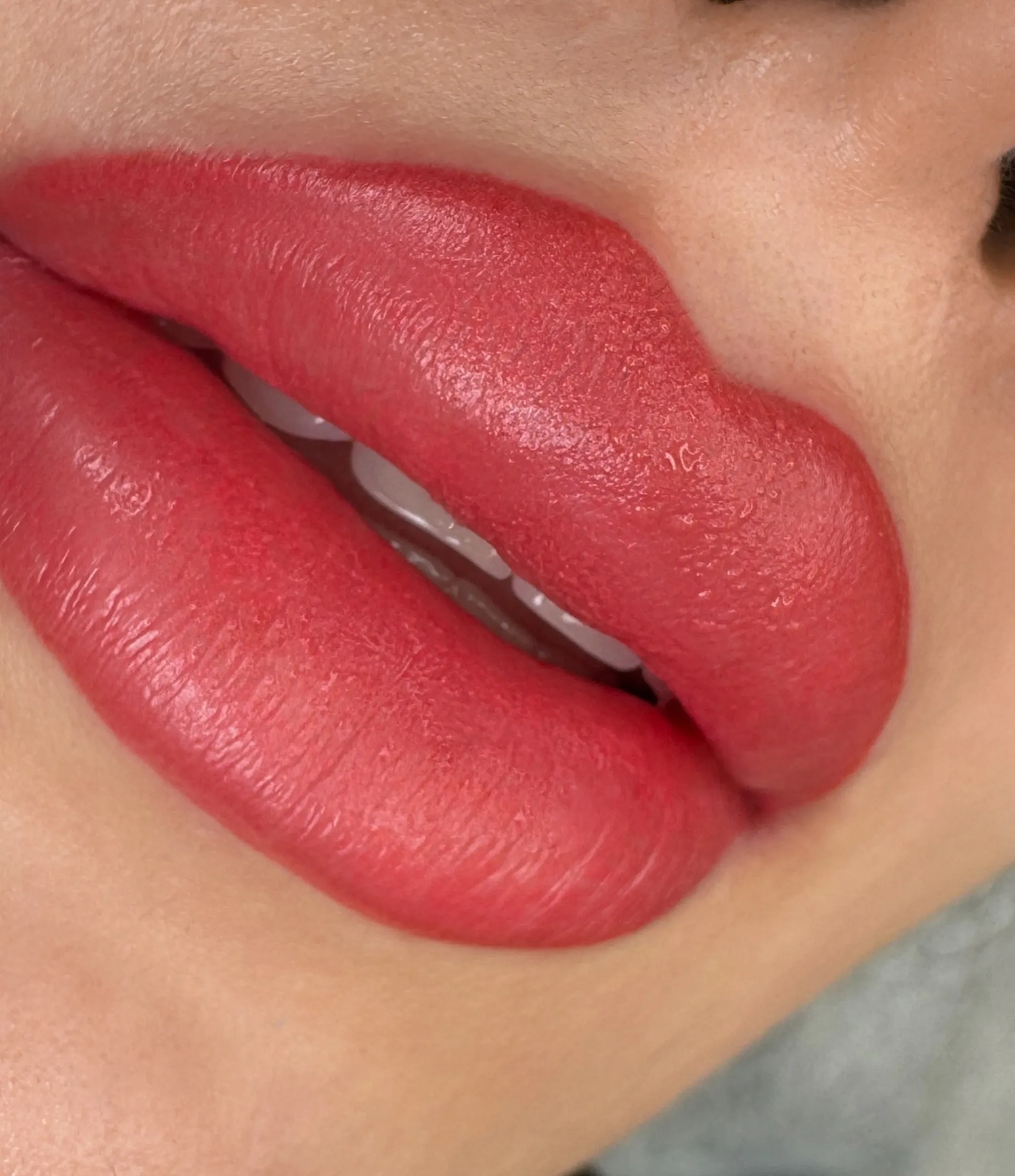
Choosing the right artist is key. In our Melbourne studio, we have a pre-consult checklist that covers:
- Your cold sore history (even one outbreak counts!)
- Any medications or immune conditions
- Your last facial treatments (like laser treatments or peels)
- Current skin conditions or sensitivities
We also recommend a patch test if you’re prone to allergic reactions, especially if you have sensitive skin or autoimmune concerns. That way, we can trial pigment and aftercare balm reactions before committing to the full Lip tattooing procedure. Whether you’re after a soft lip blush tattoo or a more saturated look, safety always comes first.
What the 2025 Data Says
According to the 2025 cosmetic tattooing data in Australia:
- 1 in 3 lip blush clients have a known HSV-1 history
- 83% of experienced artists require pre-treatment antiviral protocols
- Cold sore outbreaks remain the leading cause of uneven pigment retention in lip tattoo clients
This isn’t a rare or niche concern — it’s something we proactively address every single day. Whether it’s your first lip tattoo or you’re in for a colour boost, understanding HSV-1 is part of responsible planning.
Extra Tips for Long-Term Lip Health
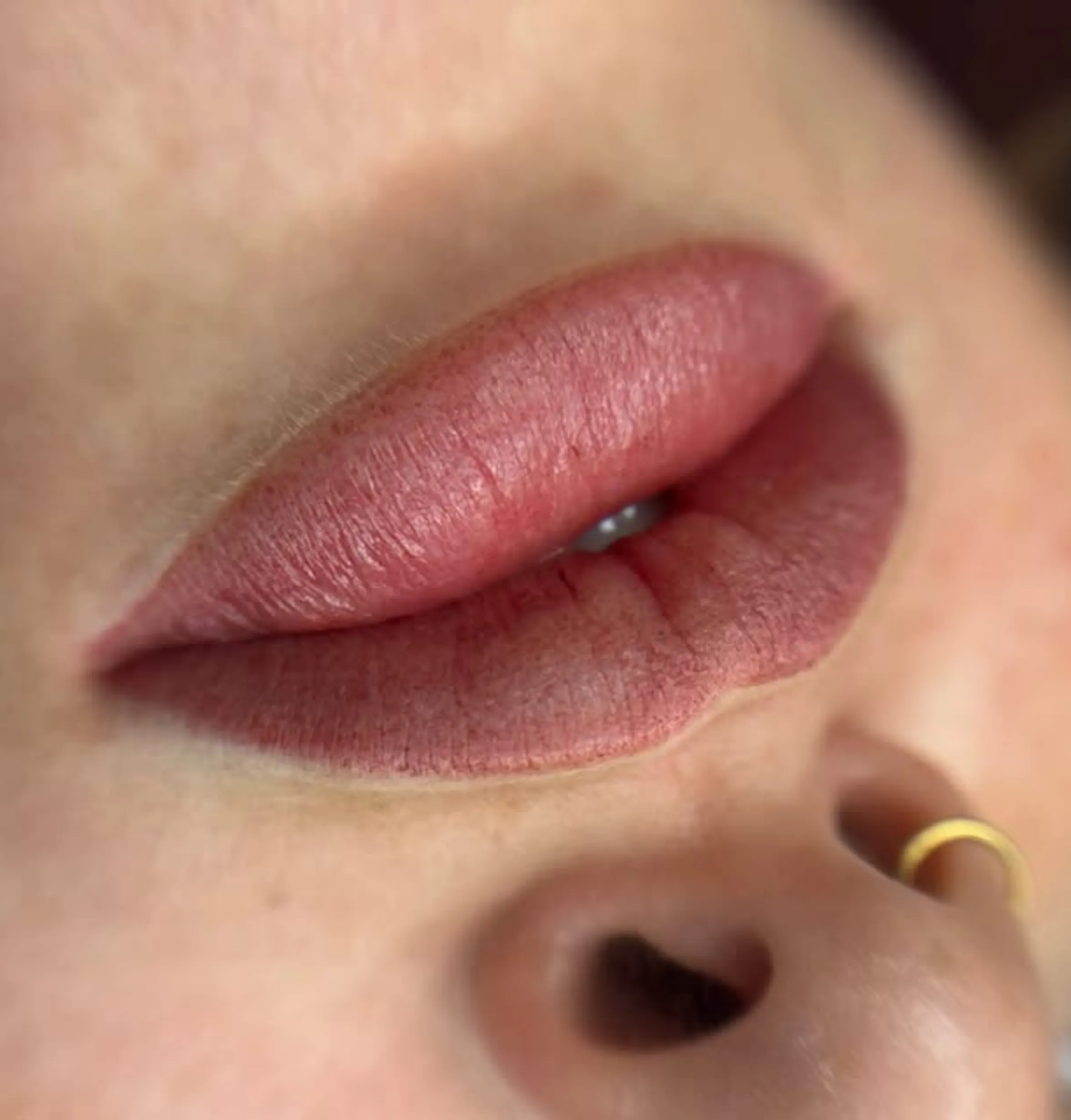
Staying cold-sore free isn’t just about the first week. Here are habits that help:
- Use SPF lip balm daily (UV rays can trigger HSV)
- Hydrate with water and barrier-supporting balms
- Avoid over-exfoliating (especially with acids or gritty scrubs)
- Get touch-ups only when fully healed
- Pause lip filler injections for at least 2–4 weeks on either side of tattooing
- Support Lymphatic Flow with gentle facial massage
And yes, you can absolutely combine a Lip Blush Tattoo with lip filler, but timing matters.
Final Thought: You’re in Control, Not the Virus
Getting a lip tattoo doesn’t have to mean bracing for a cold sore outbreak. With the right prep, support and healing care, you can enjoy the full benefits of your Lip Blushing Tattoo without the drama. It’s about being proactive, not paranoid.
At Face Figurati Cosmetic Tattoo Studio in Melbourne, we walk every client through their prep and aftercare with realistic expectations and practical steps. When your skin is happy, your results are better, and your confidence shows.
FAQ
Can I get a lip tattoo if I’ve had cold sores before?
Yes, absolutely. Just follow a proper antiviral protocol and tell your artist before treatment.
What’s better: acyclovir or valaciclovir?
Both work well. Valaciclovir is preferred for convenience (twice daily instead of three), but always check with your GP.
Will a cold sore ruin my lip tattoo?
Not necessarily, but it can cause patchiness or pigment loss. A touch-up usually corrects it.
No. L-lysine is helpful but not strong enough alone. It should be used alongside anti-viral medication.
Is there a test for HSV-1 before tattooing?
There is, but it’s not routinely done. If you’re unsure, talk to your doctor or consider a blood test for peace of mind.