How Expensive a Great Ocean Road Trip Really Is – the Answer isn’t what you’d think. I’m Paul Beames, & I’ve spent years showing travellers around Australia, so I can tell you with confidence: the Great Ocean Road can be one of Victoria’s best-value trips or a sneakily pricey one – it all comes down to how you plan the trip, including timing and pacing.
The thing is, you don’t have to break the bank to enjoy this drive. I’m not talking about cutting corners; I’m just being realistic about where costs go. If you have a clear understanding of what you’re actually spending your money on, you’ll be able to cruise along the coast without that nagging feeling every time you check your bank balance.
Contents
- 1 The Road Is Free – It’s What You Do That Costs
- 2 Fuel Costs: Fairly Predictable, Fairly Easy To Budget
- 3 Accommodation: Where Most People Get Caught Out
- 4 Food Costs: Don’t Get Ripped Off
- 5 Iconic Sights: Big Names, No Entry Fees
- 6 The Otways: Where Your Money Goes if You Choose to Spend
- 7 Wildlife Encounters: It’s Not Cheap, But It’s Worth It
- 8 How Trip Length Affects Your Budget
- 9 Self-Drive vs Tours: Which One Really Costs Less
- 10 What You Should Actually Budget (The Real Figure)
- 11 Final Thoughts
- 12 FAQ
The Road Is Free – It’s What You Do That Costs
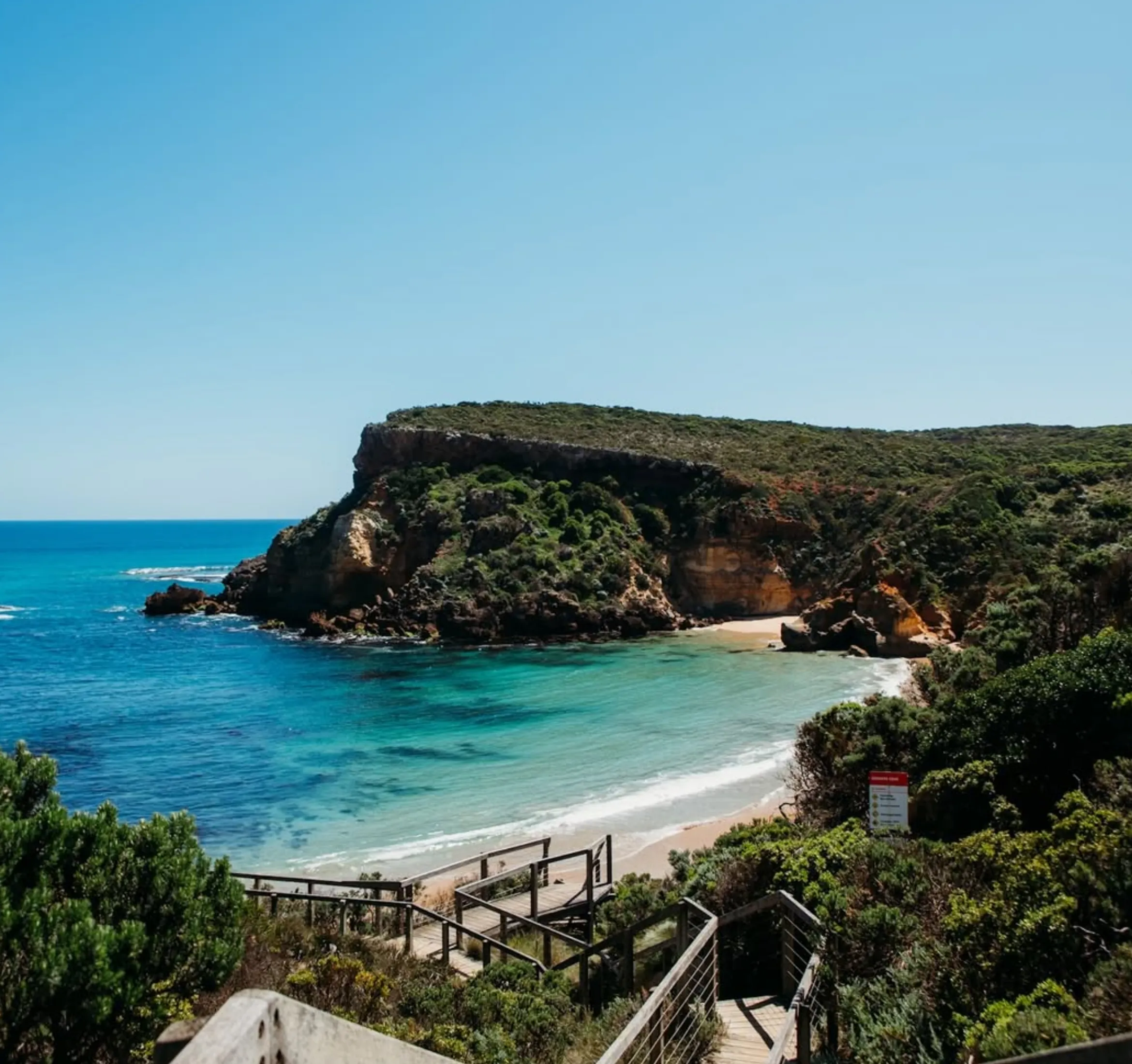
The great surprise for many travellers is that the Great Ocean Road itself is free – no tolls, no access fees. You can drive under the Memorial Arch, take a break at the Great Ocean Road Sign, or cruise the Surf Coast all without shelling out a cent.
But costs start to add up when you rush it. Many people try to cram this iconic coastal drive into a single frantic day and then wonder why accommodation, food, and fuel seem overpriced. In a word, speed costs money – taking your time is not going to break the bank.
Fuel Costs: Fairly Predictable, Fairly Easy To Budget
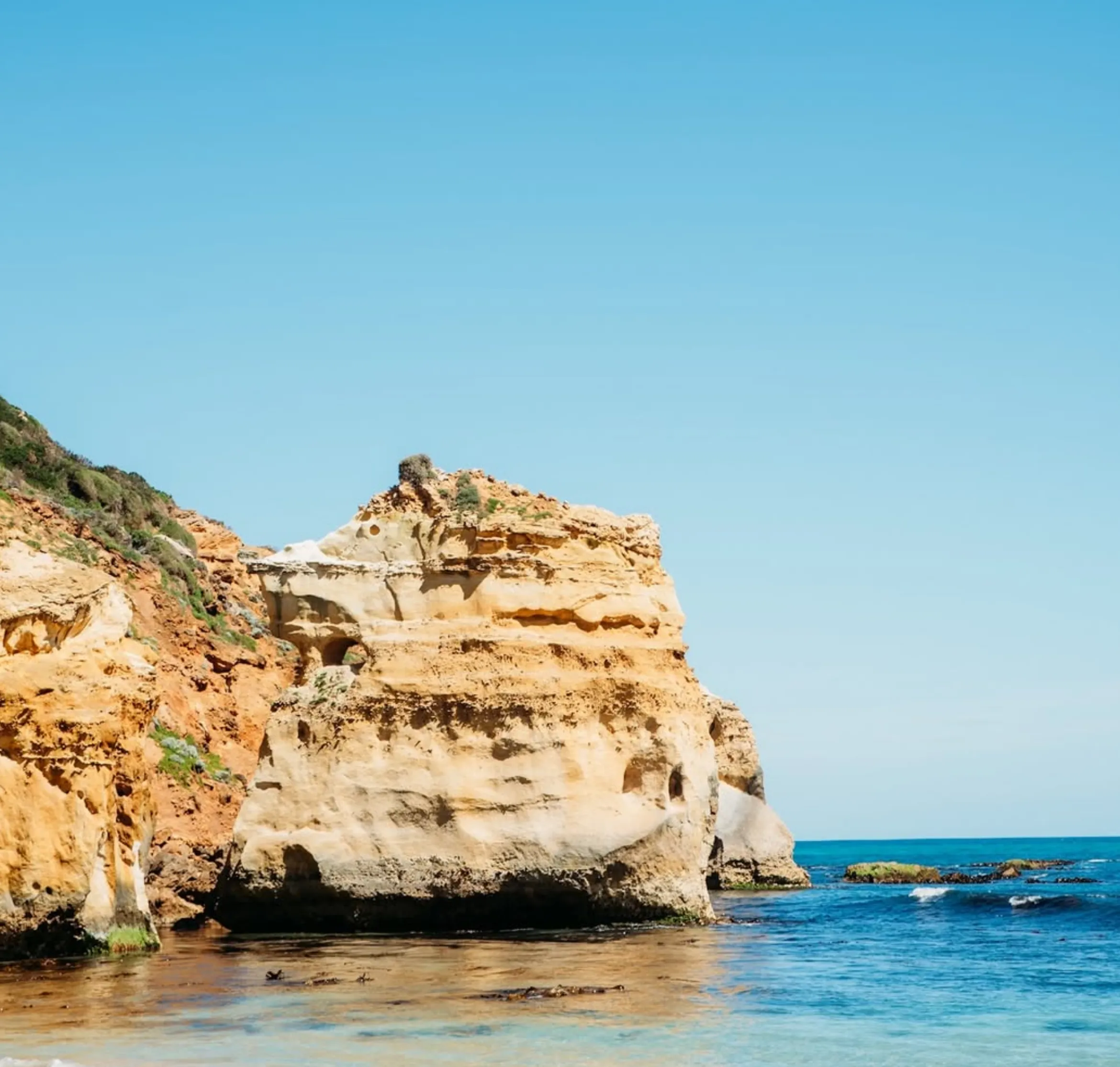
One thing that’s not too stressful about the trip budget is fuel. From Melbourne return, following the coast through Apollo Bay, Port Campbell and inland via Lavers Hill, you’re talking a 500 to 550 kilometre drive.
Rough Guide to Fuel Spend (Return Trip)
- Small car: $70 to $90
- Mid-size SUV: $100 – $130
- Campervan: $140-$180
The thing is, the coast tends to have slightly pricier fuel than the city. So try to tank up before you leave – whether it’s close to Melbourne Airport or Avalon Airport – and you’ll avoid the higher prices at small-town service stations.
Accommodation: Where Most People Get Caught Out
If there’s one line item that will define how pricey your Great Ocean Road trip feels, it’s accommodation. Coastal towns like Apollo Bay, Wye River & Skenes Creek book out quickly during summer and school holidays.
Typical Nightly Costs
| Accommodation Type | Off-Peak | Peak Season |
| Hostel / Dorm | $35–$60 | $50–$80 |
| Budget Motel | $130–$180 | $200–$280 |
| Mid-Range Hotel | $200–$300 | $350–$500 |
| Otways Cabin | $150–$250 | $280–$420 |
| Powered Campsite | $30–$45 | $45–$70 |
Staying inland near Bimbi Park in the Great Otway National Park – that’s a top way to save money without giving up the whole experience of it all. You swap the ocean views for some peaceful forest time – and more often than not wake up to the sound of koalas grunting in the trees.
Food Costs: Don’t Get Ripped Off
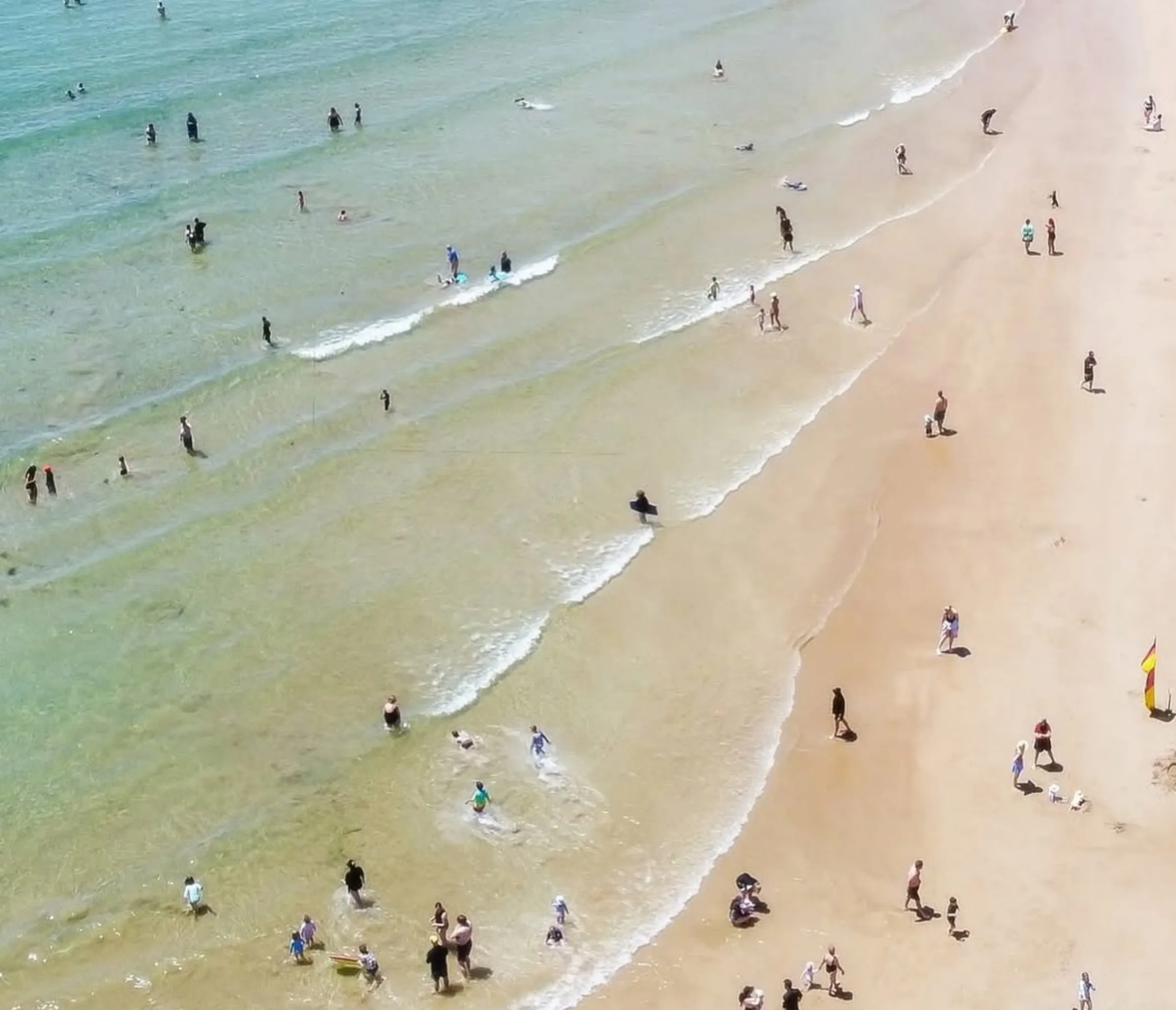
Your food costs on the Great Ocean Road can easily go through the roof – but only if you’re not careful. If you’re a bit more organised, you can keep daily expenses pretty reasonable by stopping at bakeries, fish and chip shops and grabbing supermarket picnics to go. Eating out for every meal is blowing the budget.
Daily Food Spend (Per Person)
- If you’re self-catering and making the odd bakery stop along the way: $30 to $45
- Having a cafe lunch and then spending the evening in a pub: $50 to $70
- Eating out for every single meal: $80 to $120
Places like Port Campbell and Aireys Inlet aren’t exactly known for their long list of dining options, especially if you’re looking for something to eat late in the day, which is often how travellers end up forking out too much cash, feeling peckish, knackered and with no plan B to fall back on.
Iconic Sights: Big Names, No Entry Fees
The Great Ocean Road really is where it’s at – and the reason is that you don’t have to pay a cent to get into the big attractions.
Free Highlights You Won’t Want to Miss
- The 12 Apostles – this one’s a real showstopper
- Loch Ard Gorge – can’t help but feel a bit of a thrill
- Gibson Steps – love the sense of adventure here
- London Bridge – an oldie but a goodie
- The Grotto – would’ve been easy to miss this beauty if you weren’t paying attention
- The Bay of Islands Coastal Park
- The Bay of Martyrs – maybe one for the more adventurous types
- Childers Cove – a real gem that’s worth seeking out
Most of these are set within Port Campbell National Park, part of that jaw-dropping Shipwreck Coast, where the Southern Ocean and limestone cliffs do all the hard work.
The Otways: Where Your Money Goes if You Choose to Spend
Heading inland into the Otway Rainforest gives you a chance to dial it back. The cooler air, shaded roads, and a more relaxed pace are a welcome change from the exposed coastal cliffs.
You can splash out on Otway Fly Treetop Adventures if you want, but if you don’t, the Maits Rest Rainforest Walk is a great option – it’s free and still packs a lot of punch.
Wildlife Encounters: It’s Not Cheap, But It’s Worth It
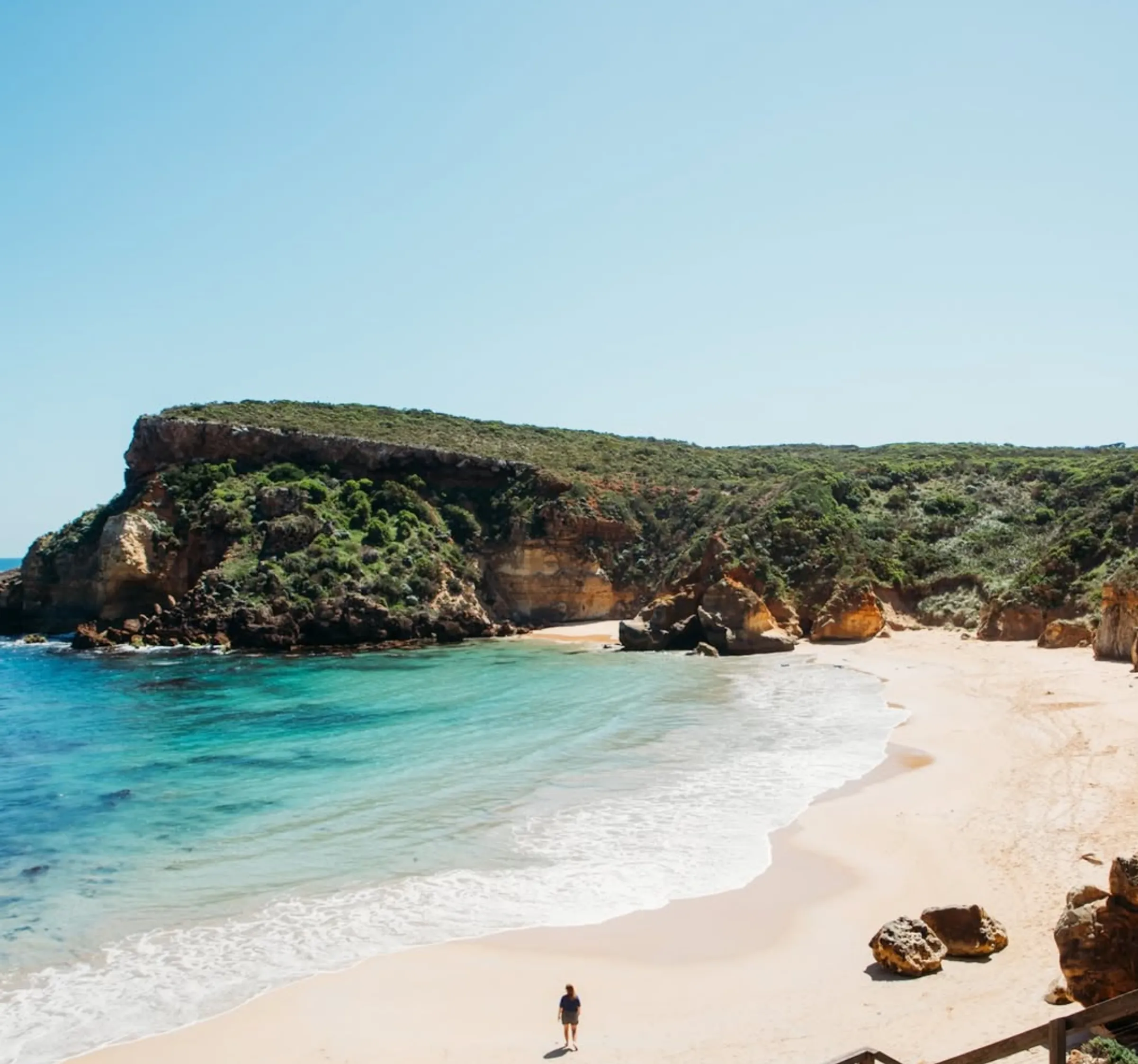
Spotting Aussie wildlife on the Great Ocean Road is free, but you need to be patient. You might be able to catch a glimpse of a koala at Kennett River – especially if you’re out there early morning or late afternoon.
Some tour operators like Wildlife Tours Australia will stop deliberately to help you spot the wildlife, which is a good thing, because a few random stops can get pretty chaotic.
How Trip Length Affects Your Budget
The longer you stay, the more it costs – and that’s a pretty straightforward rule of thumb.
| Trip Length | Style | Approx Cost (Per Person) |
| Day Trip | Self-drive | $80–$120 |
| 2 Days / 1 Night | Budget | $220–$350 |
| 3 Days / 2 Nights | Mid-range | $350–$600 |
| 4 Days / 3 Nights | Comfortable | $550–$900 |
This is why the 3-day ocean road trip tends to be a winner for so many people – you get to slow down without breaking the bank.
Self-Drive vs Tours: Which One Really Costs Less
On paper, driving yourself seems like the cheaper option. Reality check, though – add in the fuel costs, the cost of accommodation in peak season, grabbing quick, overpriced meals and skipping out on some of the highlights – and you’ll find that the costs can quickly level out.
For people who don’t have a car or who are short on time to plan, a decent 3-day ocean road tour can actually deliver a better bang for your buck, a lot less stress and fewer rookie mistakes to boot. Companies like Wildlife Tours in Australia make it easy by bundling transport, timing, and accommodation into one predictable price.
What You Should Actually Budget (The Real Figure)
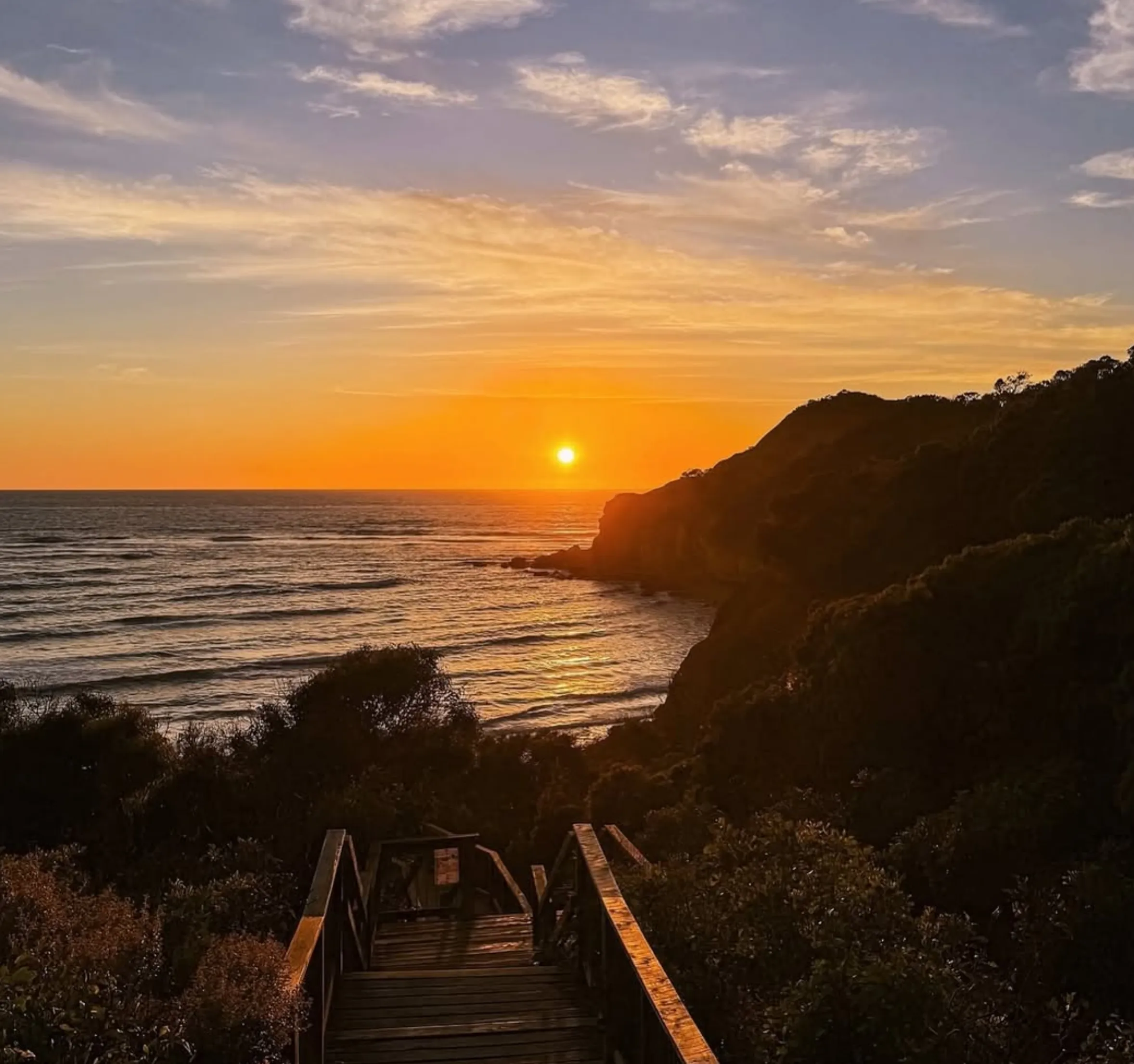
If you want a realistic number, not some brochure figure, then here’s the real deal: plan on $350-$600 per person for a 3-day Great Ocean Road trip – whether you drive yourself or join a 3-day tour.
Save money by camping or cooking your own meals. Spend more if you want to splurge on a beachfront room and eat out at fancy restaurants. The thing is, the road doesn’t encourage you to break the bank – it’s all about the choices you make.
Final Thoughts
The Great Ocean Road loves travellers who slow down, plan sensibly and respect the coast’s own rhythm. Whether you drive yourself or book a Great Ocean Road 3 day tour, knowing exactly what it will cost you up front can turn the trip from a stressful nightmare into one you’ll actually remember for all the right reasons.
Had a budget win or a hard-won lesson? Share it in the comments. That’s how the best route tips get written.
FAQ
Is The Great Ocean Road An Expensive Trip Compared To Other Australian Drives?
No way. You can get it much cheaper than some other remote Australian routes because distances are short and most of the best attractions are free.
Can You Do The Great Ocean Road Without Hiring A Car?
Absolutely. A 3-day ocean road tour is a great option for people flying into Melbourne who don’t want to drive or sort out accommodation.
How Much Should A Couple Budget For Three Days?
Typically, couples should plan to set aside $800- $1,200, depending on the type of accommodation and dining they choose.
Are The Twelve Apostles The Only Must-See Attraction?
Absolutely not. Loch Ard Gorge, Gibson Steps, and the Bay of Islands are usually the ones that leave a really strong impression – without the crowds.
Is Winter A Good Time To Save Money?
Definitely. Winter means lower accommodation costs, less competition from other visitors and even more dramatic coastal scenery – just don’t forget to pack your warm layers and a few shorter days.